
Rural Teacher Salary vs Urban Teacher Salary 2026: Geographic Pay Equity Study
Rural teachers in Wyoming earned $78,940 in 2025 — that’s $14,200 more than their urban counterparts after adjusting for cost of living differences. After…
Rural teachers in Wyoming earned $78,940 in 2025 — that’s $14,200 more than their urban counterparts after adjusting for cost of living differences. After…

Oklahoma teachers face the nation’s steepest salary compression, earning just 57% more after 25 years of experience compared to their starting salary — whi…

In Mississippi, the average teacher salary of $47,162 covers just 68% of MIT’s calculated living wage for a single adult — the worst gap in the nation. Aft…
Merit-based districts show 23% higher teacher turnover in year three compared to traditional step-and-lane systems, according to 2025 National Center for E…

Teachers lost $7,200 in real purchasing power between 2000 and 2024, even as nominal salaries increased by 45%. After analyzing 20 years of Bureau of Labor…

Teachers with master’s degrees earn just $3,200 more annually than bachelor’s holders on average — but here’s what that number doesn’t tell you. After anal…
Teachers in Wyoming receive an average annual pension benefit of $51,200 — nearly triple what their counterparts earn in South Dakota’s $17,800 system. Aft…

Kansas teachers earning their first paycheck bring home an average of $32,450 annually, a figure that’s shaped education workforce decisions across the sta
Nevada teachers working in Clark County schools earn an average base salary of $48,920 annually, while educators in rural counties like Esmeralda and Eure

Private School Teacher Salary vs Public School 2026: Complete Comparison Guide
Private school teachers earn an average of $38,500 annually, while public s
Idaho teachers earned an average salary of $48,890 in the 2024-2025 school year, placing the state 43rd nationally and creating a 28.5% gap below the U.S.
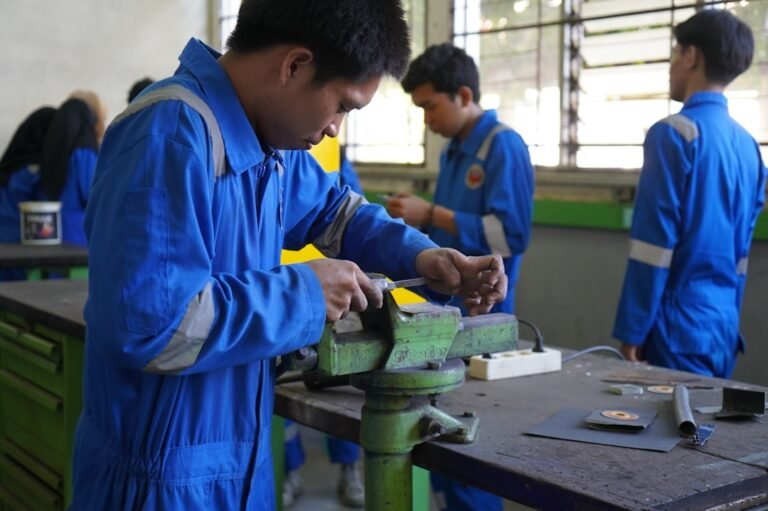
Career and Technical Education (CTE) teachers earn an average of $58,420 annually across the United States in 2026—roughly 12% less than general education